

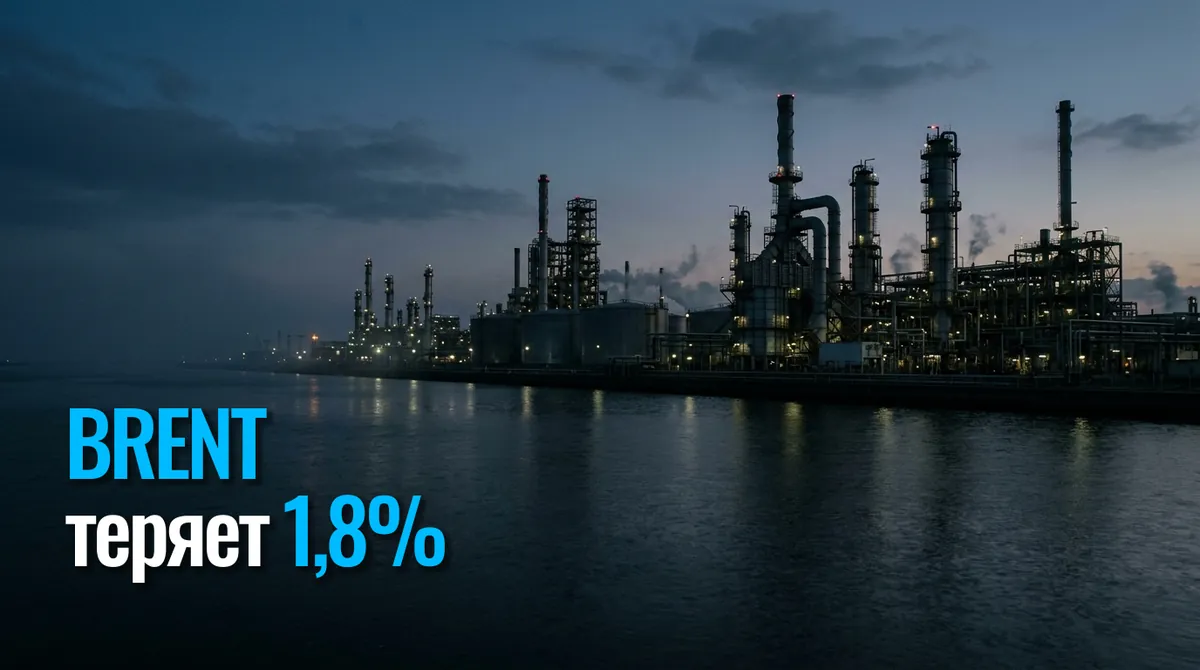
Brent minus $2.15 in the morning, WTI minus 2.1% and $101.10 (on Sunday evening it touched $101.69). Over the past week Brent gained about 6%, WTI - 2.3%. The spread between the grades holds around $13.50.
The reason for the pullback is political: on Sunday Trump said there would be no strike on Iran that day, and signaled that a negotiated option was also possible. Qatari mediators were working in Tehran, and Iranian President Masoud Pezeshkian spoke in favor of a peace agreement.
The weekend was tense. On October 24, the Houthis claimed strikes on an Aramco facility in Yanbu, the Rabigh refinery and King Khalid Airport in Riyadh. Saudi Arabia did not confirm any damage; the coalition reported intercepting two ballistic missiles. Yanbu is the Red Sea outlet of the East-West pipeline with a capacity of 7 million barrels per day, which the kingdom used to replace exports through the Strait of Hormuz.
Safe logistics cost extra: the Murban grade (loaded in Fujairah, outside Hormuz) rose 3% above $118, with a premium to Brent of about $3.40 versus zero on Friday. The Kpler ship tracker counted at least 18 attacks on vessels in two weeks.
Scale: on February 27, the day before the war began, WTI cost $67.02 - now it is 53% more expensive. Goldman Sachs estimates the war premium in Brent at about $25 and expects $90 in December; ING believes the premium will fade gradually as long as there are no supply disruptions.
Next: reference levels of $108 on the downside and $120 on the upside; on Wednesday the Fed is forecast to leave the rate unchanged (US consumer prices +3.7% year-on-year by September), and prepared plans for a strike on Iran are reportedly likely to be used after the midterm elections on November 3.
Did you hold oil through this weekend?
On headlines like these, oil gaps over the weekend, and on Monday the position opens somewhere other than where you left it. What decides things here is not chart markup but the program's rulebook: whether oil is on the list of instruments, whether the daily loss is calculated on equity, and whether holding through the weekend is allowed. These three lines are checked before paying for a challenge, because a risk-limit breach arrives in the morning and without warning. There is time to double-check before the next escalation around Hormuz.