

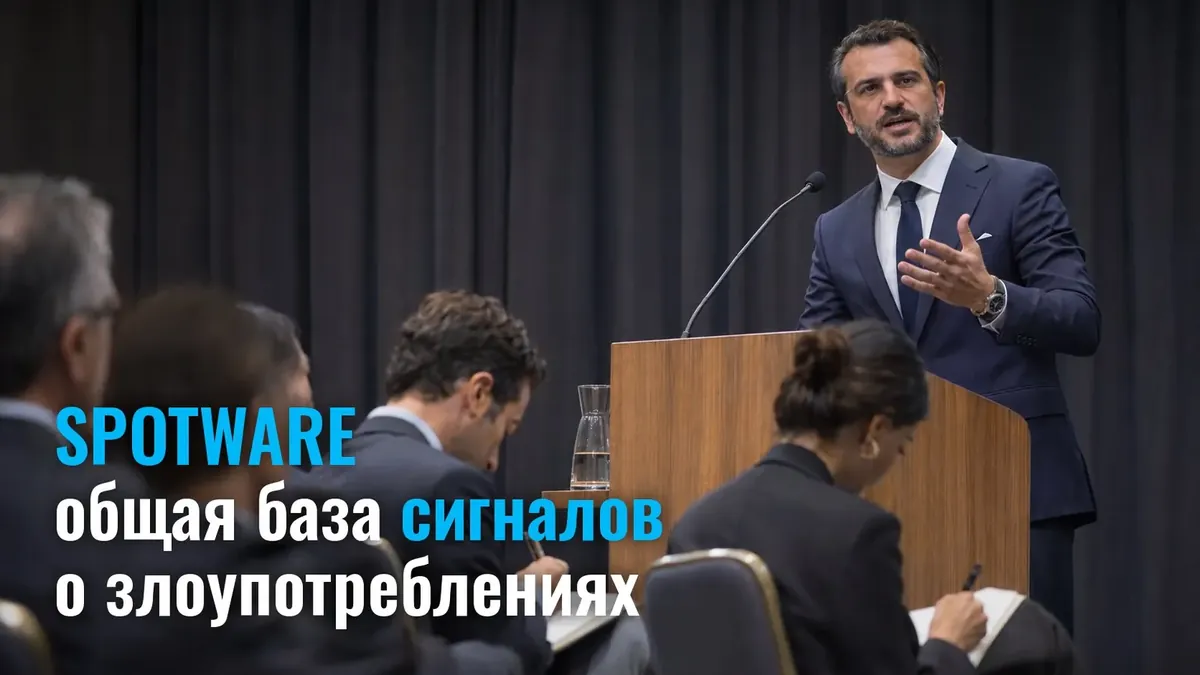
Spotware Systems introduced cAntifraud on November 9 - a shared system for detecting trading abuse. It monitors a client from the moment of registration and cross-checks signals across all connected brokers and prop firms.
Spotware is the developer of the cTrader trading platform. cAntifraud uses artificial intelligence and looks at who is trading outside the rules.
This directly affects traders. Questions about trades can now come not at withdrawal, but during trading.
What can the system do?
The system analyzes trading patterns, trade execution times, links between accounts and signs of coordinated action. It also assesses how much in payouts is at risk.
Platforms. cTrader, MT5 and other platforms are supported.
What exactly it looks for:
- Arbitrage on quote delays
- Multiple accounts per person
- Trade copying with signs of abuse
- Hedging the same position across different brokers
- Bonuses and zero-balance protection
What does it look for at prop firms?
There is a separate list for prop firms. It includes running challenges in a stream and hedging a challenge on a third-party account.
Timelines are shifting. Rule violations must now surface during the trading period, before the final manual review. What counts as a violation is set out in each company's challenge rules.
Why a shared network?
Participants submit encrypted and anonymized signals and receive risk alerts. A broker sees its own clients and its own execution, but does not see a linked account at a neighbor.
Pavel Demin, general manager of cAntifraud: "Trading abuse does not stop at the borders of a single company".
What does this mean for a trader?
The moment of review is shifting. Right now disputes flare up at the withdrawal request: the client waits for money while accounts and trade logs are compared.
Spotware promises the following:
- No blocks. cAntifraud does not block anyone and does not decide on payouts itself.
- Evidence for a human. The system prepares materials; a reviewer makes the decision.
- Profit is not a reason. Profitable trading by itself is not considered grounds for measures.
Speed is not intent. A fast trigger does not prove a violation: companies still need records of which rule was broken and how the reviewer reached the decision. This matters where ordinary traders also use bots, hedging and shared strategies. How checks and payouts work is covered in the academy.
Waiting for a payout while your account went to review?
Familiar: a withdrawal request is pending, and support asks you to explain a couple of trades. Now such questions will be asked earlier and based on data from multiple companies. It is worth reading the list of prohibited techniques at your prop firm before paying for an evaluation. Somewhere hedging between your own accounts is normal, somewhere it is grounds to zero out profit. The catalog collects rules and payout terms by company. Comparing is cheaper than finding out on your first request.